

No products in the cart.
Return To Shop
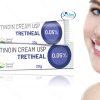
Tretiheal 0.1% Cream – Fast-Acting Acne and Blemish Cream
Table of Contents
- Introduction
- Tretiheal 0.1% Cream – Reduce Pimples, Acne, and Dark Spots
- What Is Tretiheal 0.1% Cream?
- How It Works on Acne and Pimples
- Visible Results and Timeframe
- Tretiheal 0.1% Cream – Advanced Acne and Skin Repair Solution
- Key Ingredients and Benefits
- How to Use Tretiheal 0.1% Cream Safely
- Possible Side Effects and Precautions
- Frequently Asked Questions (FAQs)
- Conclusion
Introduction
Many people struggle with acne, pimples, and dark spots that affect both their skin and confidence. Among the wide range of skincare products available, Tretiheal 0.1% Cream stands out as a fast-acting acne treatment recommended by many dermatologists. This prescription cream contains tretinoin, a powerful retinoid known for promoting skin cell renewal and improving overall skin health.

Tretiheal 0.1 Cream – Reduce Pimples, Acne, and Dark Spots
What Is Tretiheal 0.1% Cream?
Tretiheal 0.1% Cream is a topical tretinoin cream used to treat acne lesions, reduce dark spots, and smooth out fine lines. It belongs to a group of retinoids — derivatives of vitamin A, similar to retinol, but more potent. This medication helps increase cell turnover, preventing clogged pores and reducing breakouts.
This cream is often prescribed by a board-certified dermatologist or healthcare provider after an online consultation or in-person visit. Some patients also receive customized tretinoin or compounded prescriptions from their dermatology provider based on their skin concerns.
How It Works on Acne and Pimples
The active ingredient, tretinoin, works by speeding up the process of skin cell renewal. It clears clogged pores, reduces blackheads, and minimizes acne scars over time. This topical tretinoin promotes smoother and brighter skin, making it an essential part of many skincare routines.
When used consistently, Tretiheal 0.1% Cream helps fade dark spots caused by sun damage or previous breakouts. It also stimulates collagen production, which can reduce wrinkles and improve overall skin texture.
Visible Results and Timeframe
While Tretiheal 0.1% Cream is a powerful treatment, results typically take a few weeks to become noticeable. Most patients see visible improvements in about 6–8 weeks of consistent use. During this period, some may experience mild skin irritation — a common phase known as “tretinoin purging.” With proper care and guidance from a doctor or dermatologist, the effects gradually stabilize, revealing clearer, healthier skin.

Tretiheal 0.1% Cream – Advanced Acne and Skin Repair Solution
Key Ingredients and Benefits
The main ingredient in Tretiheal 0.1% Cream is tretinoin, also known as all-trans-retinoic acid. It’s often compared to other retinoid products like Retin-A, Refissa, Atralin, or Altreno, but each has its own formula and concentration.
Benefits of Tretiheal 0.1% Cream include:
- Reduces pimples, acne, and blackheads
- Fades dark spots and signs of sunlight exposure
- Smooths fine lines and minimizes early wrinkles
- Promotes healthy skin care and cell turnover
- Supports long-term skin health when combined with a gentle moisturizer
Some dermatologists, including experts like Dr. Garshick and Dr. Sanghvi, recommend pairing Tretiheal with other mild agents such as benzoyl peroxide, salicylic acid, or azelaic acid for a more complete acne treatment plan.
How to Use Tretiheal 0.1% Cream Safely
Before using this medicine, it’s important to consult a doctor or healthcare provider for proper guidance. Apply a pea-sized amount of the gel or cream evenly on the entire face at night. Avoid applying on broken skin or near the eyes and mouth.
Because tretinoin increases skin sensitivity to sunlight, users should always wear sunscreen during the day. A gentle moisturizer can also help reduce irritation, especially for those with sensitive skin.
If you’re using other products, such as over-the-counter (OTC) beauty products, always check with your dermatologist to avoid unwanted reactions.
Possible Side Effects and Precautions
Like most topical medications, Tretiheal 0.1% Cream may cause mild side effects during the adjustment phase. Common side effects include redness, dryness, and skin irritation. These usually fade as the skin adapts to the drug.
Avoid using the cream during pregnancy, as tretinoin is considered fetotoxic and may have risks related to teratogenicity or birth defects. For accurate medical advice, consult your healthcare provider or a qualified online dermatologist.

Frequently Asked Questions (FAQs
1. Can Tretiheal 0.1% Cream be used on sensitive skin?
Yes, Tretiheal 0.1% Cream can be used on sensitive skin, but it’s important to start slowly. Dermatologists often suggest applying it two to three nights a week initially, allowing the skin to build tolerance. Pairing it with a gentle moisturizer can reduce irritation and dryness. Avoid harsh products or exfoliants while using tretinoin cream, as they can increase skin irritation. If discomfort persists, contact your healthcare provider for guidance or consider a customized tretinoin with a lower concentration.
2. How long does it take to see results from Tretiheal 0.1% Cream?
Most patients begin to notice visible results within a few weeks, but the full benefits often take around 8–12 weeks. The treatment works gradually by increasing cell turnover and reducing clogged pores. Initially, the skin might appear slightly red or flaky — this is a normal sign that tretinoin is working. Consistency is key. Over time, users usually see fewer pimples, lighter dark spots, and smoother texture. Always follow your dermatologist’s directions to ensure safe, long-term skin health.
3. Can Tretiheal 0.1% Cream be combined with other acne treatments?
Yes, it can — under professional supervision. Many dermatologists recommend pairing Tretiheal 0.1% Cream with other acne treatments such as benzoyl peroxide, salicylic acid, or azelaic acid for enhanced results. However, combining too many products can cause irritation or dryness, especially in sensitive skin. It’s best to use these medications at different times of the day — for example, benzoyl peroxide in the morning and tretinoin at night. Your doctor or board-certified dermatologist can help tailor a plan suited to your skin concerns.
4. Is Tretiheal 0.1% Cream safe to use during pregnancy?
No. Tretiheal 0.1% Cream, like other retinoid medications, should not be used during pregnancy. Tretinoin may have fetotoxic or teratogenicity risks, which can potentially lead to birth defects. Expecting mothers should avoid topical tretinoin or similar retinoid products such as Retin-A, Refissa, Avita, or Differin, unless explicitly approved by a healthcare provider. If you’re pregnant or planning to be, always seek medical advice before using any prescription skincare cream or gel.
5. What are the common side effects of Tretiheal 0.1% Cream?
Common side effects include mild skin irritation, redness, dryness, and peeling, particularly in the first few weeks of use. This adjustment period, sometimes called the retinoid purge, happens as tretinoin speeds up cell turnover. Most of these effects subside as the skin adapts. If irritation becomes severe, stop use and speak with a doctor or dermatology provider. Applying a gentle moisturizer and sunscreen daily can help soothe and protect your skin during this phase.
6. Can I apply Tretiheal 0.1% Cream during the day?
No, Tretiheal 0.1% Cream should only be applied at night. Tretinoin increases skin sensitivity to sunlight, which can lead to sun damage or irritation if used during the day. Always apply sunscreen with at least SPF 30 in the morning, even on cloudy days. Limiting sun exposure and avoiding tanning beds are also essential while using tretinoin cream.
7. What should I do if I experience dryness or peeling?
Dryness and peeling are normal during the early stages of tretinoin treatment. To minimize discomfort, apply a lightweight moisturizer about 15–20 minutes after using Tretiheal 0.1% Cream. You can also switch to every-other-night use until your skin adjusts. Avoid scrubs or over-the-counter beauty products that contain alcohol or fragrance, as they may worsen irritation.
8. Can Tretiheal 0.1% Cream help with wrinkles and fine lines?
Yes, one of the added benefits of tretinoin is its ability to reduce fine lines and wrinkles by stimulating collagen production. Over time, it smooths the skin surface and improves elasticity. Many dermatologists prescribe tretinoin cream not only for acne treatment but also for early signs of aging. When combined with good skincare habits — such as daily sunscreen and a balanced moisturizer — results can be impressive.

9. Can I buy Tretiheal 0.1% Cream without a prescription?
No, Tretiheal 0.1% Cream is a prescription medication that should only be used under a doctor’s supervision. However, you can obtain a tretinoin prescription through an online consultation with a licensed online dermatologist or dermatology provider. Platforms like Miiskin or Apostrophe offer patient engagement options, educational content, and even online dermatology services to help patients safely access treatments.
10. What should I avoid while using Tretiheal 0.1% Cream?
While using Tretiheal 0.1% Cream, avoid harsh cleansers, exfoliating scrubs, or other topical products that can irritate the skin. Limit sun exposure, and never use tanning lamps. Do not mix it with benzoyl peroxide or salicylic acid at the same time unless your dermatologist instructs otherwise. Always apply Tretiheal on clean, dry skin, and follow it with a non-comedogenic moisturizer for best results.
Conclusion
Tretiheal 0.1% Cream is a trusted treatment option for those battling persistent acne, pimples, and dark spots. Its formula, enriched with tretinoin, encourages healthy skin care by boosting cell turnover and stimulating collagen production. With proper use and advice from a dermatologist, users can enjoy smoother, clearer, and more radiant skin over time.
Buy Online from: Buy Tretiheal 0.1% Cream – Altus Lifecare Pvt Ltd
About author

Related posts

Tazret Gel – Clear Acne & Improve Skin Texture Effectively Introduction For anyone struggling with acne,... Continue reading

Clear, healthy, and glowing skin is everyone’s dream, but factors like pollution, stress, and hormonal imbalances... Continue reading

Kojivit Ultra Gel for Dark Spots: Restore Glow & Prevent Hyperpigmentation Introduction In today’s world of... Continue reading

Triluma Cream for Melasma: Does This 3-Ingredient Formula Really Work Faster Than Others? 🌿 Introduction Dealing... Continue reading

Table of Contents 1. Introduction: The Power of Tretin 0.025 Cream Tretin 0.025% Cream is one... Continue reading



Add comment